Understanding Whitening Trays
Whitening trays have become a popular method for achieving a brighter, more confident smile. These trays, often made of flexible plastic, are designed to hold a bleaching agent in close contact with your teeth. The effectiveness of whitening trays makes them a preferred choice for many seeking to enhance their smile. Understanding how these trays work, the different types available, and the factors influencing their usage is essential for achieving optimal results. This comprehensive guide will delve into the nuances of using whitening trays, providing you with the knowledge to safely and effectively brighten your teeth.
What are Whitening Trays
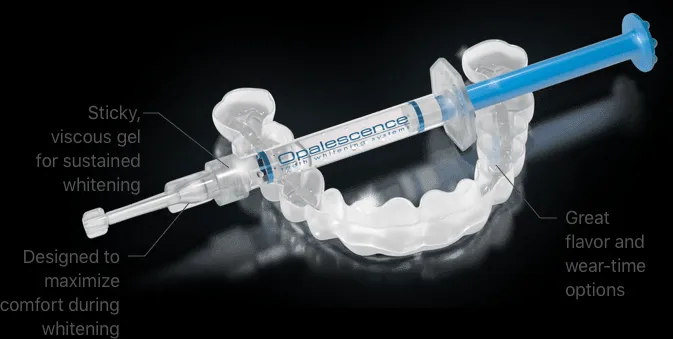
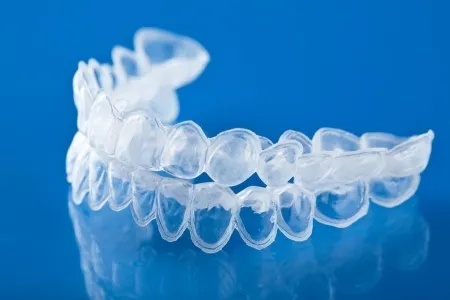
Whitening trays are custom-fitted or pre-fabricated dental appliances used to deliver a bleaching solution to the teeth. These trays are designed to snugly fit over the teeth, ensuring that the whitening agent makes direct contact with the enamel. They are typically filled with a gel containing hydrogen peroxide or carbamide peroxide, which penetrates the enamel and breaks down stains and discoloration. They offer a convenient and relatively affordable way to achieve a whiter smile. The tray itself is a crucial element, acting as a vehicle to keep the whitening agent in place for the specified time, allowing the active ingredients to do their work.
Different Types of Whitening Trays

The market offers a variety of whitening trays, each with its unique features and suitability for different needs. Understanding these variations is crucial for making an informed choice that aligns with your oral health goals. The primary distinction lies in whether the trays are custom-made by a dentist or purchased over-the-counter. Knowing the advantages and disadvantages of each type will help determine which suits your needs the best.
Custom vs. Pre-made Trays
Custom whitening trays are created by a dentist based on impressions of your teeth. This ensures a perfect fit, maximizing contact between the whitening gel and your teeth, and minimizing the risk of the gel leaking onto your gums. Pre-made trays, available over-the-counter, are typically one-size-fits-all. While more affordable, they may not offer the same level of precision or comfort as custom trays. The fit might not be ideal, potentially leading to uneven whitening or gum irritation. The choice between the two often depends on individual needs, budget, and the dentist’s recommendations.
Professional vs. Over-the-Counter Options
The whitening solutions also vary, contributing to the differences. Professional whitening systems provided by dentists often use higher concentrations of the bleaching agent, which can lead to faster and more dramatic results. However, this also increases the potential for sensitivity. Over-the-counter (OTC) products, available at drugstores, contain lower concentrations and are generally considered safer for home use but may require longer treatment periods to achieve noticeable results. It is important to discuss your options with a dentist to determine which approach best suits your specific needs and oral health condition. (Image: teeth-whitening-options.webp)
Factors Influencing Whitening Tray Frequency

The frequency with which you use whitening trays is not a one-size-fits-all recommendation. Several factors influence the optimal usage schedule, and understanding these will help you determine the most effective and safe approach for your individual situation. Several factors determine the use of whitening trays. These factors impact not only the frequency but also the duration of each treatment session.
Your Current Tooth Shade
The initial shade of your teeth is a primary consideration. If your teeth are significantly discolored, a more intensive treatment regimen might be necessary initially to achieve your desired level of brightness. This might involve more frequent applications or using a higher concentration of the whitening agent. However, it’s important to gradually increase the frequency and strength of the treatment to avoid adverse effects like sensitivity. (Image: whitening-trays.webp)
The Strength of the Whitening Agent
The concentration of the bleaching agent plays a significant role. Higher concentrations, often used in professional treatments, can lead to faster results but also carry a greater risk of sensitivity. OTC products typically use lower concentrations, which are generally safer for longer-term use. Following the product’s instructions is crucial. The amount of gel and the duration of each treatment session depend on the agent’s strength. It is always a good idea to consult a dentist, especially when using a professional whitening agent.
Individual Sensitivity
Individual sensitivity levels vary. Some people experience significant tooth sensitivity or gum irritation during whitening treatments, while others tolerate the process with minimal discomfort. It is important to monitor how your teeth and gums react to the treatment and adjust the frequency or duration of use accordingly. If you experience any discomfort, reduce the frequency of use or consult your dentist.
The Specific Product’s Instructions
Every whitening product comes with its own set of instructions, which must be followed carefully. These instructions provide guidance on the recommended frequency, duration of each session, and any precautions to take. Following the product’s instructions ensures the treatment’s effectiveness while minimizing the risk of side effects. Always read the instructions thoroughly before starting the treatment. Deviation from the instructions can result in poor results or adverse reactions.
The Whitening Tray Application Process
Applying the whitening trays correctly is crucial for achieving the desired results and avoiding potential complications. A proper application involves several steps, from preparing your teeth to caring for them afterward. The process is a key aspect of your whitening journey. Careful execution of these steps is necessary to ensure safety and effectiveness.
Preparing Your Teeth

Before applying the whitening trays, brush your teeth thoroughly to remove any food particles or debris. Floss to ensure that all areas of your teeth are clean. However, avoid brushing immediately before applying the tray, as this can increase sensitivity. After brushing, rinse your mouth with water to remove any remaining toothpaste residue. Allowing a short period between brushing and applying the tray can help minimize potential irritation.
Applying the Whitening Gel
Apply a small amount of whitening gel to the tray, following the product’s instructions. Usually, a thin line of gel along the inner surface of the tray, where it will come into contact with your teeth, is sufficient. Avoid overfilling the tray, as this can cause the gel to leak and irritate your gums. The amount of gel you use will vary depending on the product and your tray type. Be careful not to get the gel on your gums.
Inserting the Tray
Carefully insert the tray into your mouth, ensuring it fits snugly over your teeth. Gently press the tray to ensure it sits comfortably and that the gel makes even contact with your teeth. Remove any excess gel that might have leaked onto your gums with a clean cotton swab. Follow the product’s instructions for the recommended wear time, which can range from a few minutes to several hours, or even overnight, depending on the product’s concentration and type. (Image: applying-whitening-gel.webp)
Post-Treatment Care

After removing the tray, rinse your mouth thoroughly with water to remove any remaining gel. Brush your teeth gently to remove any residual whitening agent. Avoid eating or drinking anything that can stain your teeth, such as coffee, tea, or red wine, for at least an hour after the treatment. This helps prevent the teeth from reabsorbing stains. Follow the product’s instructions for post-treatment care, as this can vary between products. Proper care ensures that you maintain your new smile.
The Recommended Usage Frequency
The recommended frequency of whitening tray usage varies widely depending on the specific product and individual needs. The goal is to achieve the desired level of whitening safely and effectively. The process generally involves an initial treatment phase, followed by a maintenance phase. Always listen to your dentist’s advice and follow the manufacturer’s guidelines.
Initial Treatment Phase
During the initial treatment phase, you may use the trays more frequently to achieve the desired level of whitening. Your dentist will provide specific recommendations based on the product you’re using and your teeth’s current shade. This phase might involve using the trays daily or even twice daily for a period of a few weeks. It is critical to monitor your teeth for any signs of sensitivity or gum irritation. If these occur, reduce the frequency or consult your dentist. This phase is about achieving the best results as quickly and safely as possible.
Maintenance Phase

Once you have reached your desired level of whitening, you will transition to a maintenance phase. This involves using the trays less frequently to maintain your results. This phase might involve using the trays once a week, once a month, or as needed. The exact frequency depends on factors such as your diet, lifestyle, and how quickly your teeth tend to stain. Regular maintenance is crucial to prevent your teeth from reverting to their original shade. (Image: dental-checkup.webp)
Potential Risks & Side Effects
While whitening trays are generally safe when used as directed, there are potential risks and side effects to be aware of. Understanding these helps you make informed decisions and take steps to mitigate any adverse effects. Monitoring your oral health is key to ensuring a positive experience with whitening trays.
Tooth Sensitivity
Tooth sensitivity is a common side effect of whitening treatments. The bleaching agents can penetrate the enamel and irritate the nerves in your teeth, causing sensitivity to hot or cold foods and drinks. This sensitivity is usually temporary and subsides shortly after you stop using the trays or reduce the frequency of use. Using toothpaste designed for sensitive teeth can help alleviate this. If the sensitivity is severe or persists, consult your dentist for advice. (Image: tooth-sensitivity.webp)
Gum Irritation

Gum irritation is another potential side effect, often resulting from the whitening agent coming into contact with your gums. This can cause inflammation, redness, and discomfort. Using custom-fitted trays can help minimize this risk, as they are designed to fit snugly and prevent gel leakage. If you experience gum irritation, reduce the amount of gel you use or take a break from the treatment. Your dentist might recommend an over-the-counter anti-inflammatory gel to relieve the irritation. (Image: gum-irritation.webp)
Uneven Whitening
Uneven whitening can occur if the whitening agent does not make consistent contact with all areas of your teeth. This can result in some teeth being whiter than others or in the appearance of white spots or streaks. Using custom trays and following the product’s instructions carefully can help minimize this risk. If you experience uneven whitening, consult your dentist, as they might recommend professional whitening to even out your results. This unevenness can also occur due to the nature of your teeth or the presence of fillings or crowns.
Tips for Safe & Effective Use
To ensure the safe and effective use of whitening trays, it is important to follow some key tips. These tips will enhance the results and minimize the risk of any adverse effects. The correct approach makes all the difference when striving for that brighter smile.
Consult Your Dentist
Before starting any teeth whitening treatment, it’s important to consult your dentist. They can assess your oral health, identify any potential issues that might affect the treatment, and recommend the most appropriate whitening method for your needs. They can also provide custom-fitted trays, which are generally more effective and less likely to cause gum irritation. They can also advise on the frequency of use and the best product for your situation. Professional advice is the foundation for a successful and safe teeth whitening journey.
Follow Instructions Carefully
Always follow the product’s instructions carefully. This includes the recommended frequency of use, the amount of gel to apply, and the duration of each session. Overuse or misuse of the product can increase the risk of side effects. If you have any questions or concerns, don’t hesitate to consult your dentist or the product manufacturer. Strict adherence to the instructions ensures optimal results and minimizes potential problems. Always read the instructions thoroughly before using any product.
Avoid Overuse
Avoid using whitening trays more frequently than recommended. Overuse can lead to increased tooth sensitivity, gum irritation, and other adverse effects. If you notice any discomfort, reduce the frequency of use or discontinue the treatment. It’s better to achieve results gradually rather than risking harm to your teeth and gums. Patience is key to maintaining good oral health while whitening your teeth. Regular check-ups with your dentist are also important to monitor the progress and address any concerns.
Maintaining Your Results
Maintaining the results of your whitening treatment involves adopting good oral hygiene practices and making lifestyle choices that minimize staining. Proper aftercare is essential to ensure you enjoy your brighter smile for as long as possible. Ongoing care is key to preserving the desired shade and maintaining your oral health.
Regular Dental Check-ups
Regular dental check-ups and cleanings are essential for maintaining your white smile. Your dentist can remove any surface stains and provide professional advice on maintaining your oral health. They can also identify and address any potential issues that might affect your teeth whitening results. Regular check-ups are an important part of your routine to prevent issues and keep your smile bright. (Image: good-oral-hygiene.webp)
Good Oral Hygiene Practices
Maintaining good oral hygiene practices is crucial for keeping your teeth white. This includes brushing your teeth twice daily, flossing daily, and using an antibacterial mouthwash. Avoid or limit consumption of foods and drinks that can stain your teeth, such as coffee, tea, red wine, and berries. If you consume these items, rinse your mouth with water or brush your teeth shortly afterward. These practices also contribute to maintaining your overall oral health and preventing issues like cavities and gum disease. (Image: good-oral-hygiene.webp)