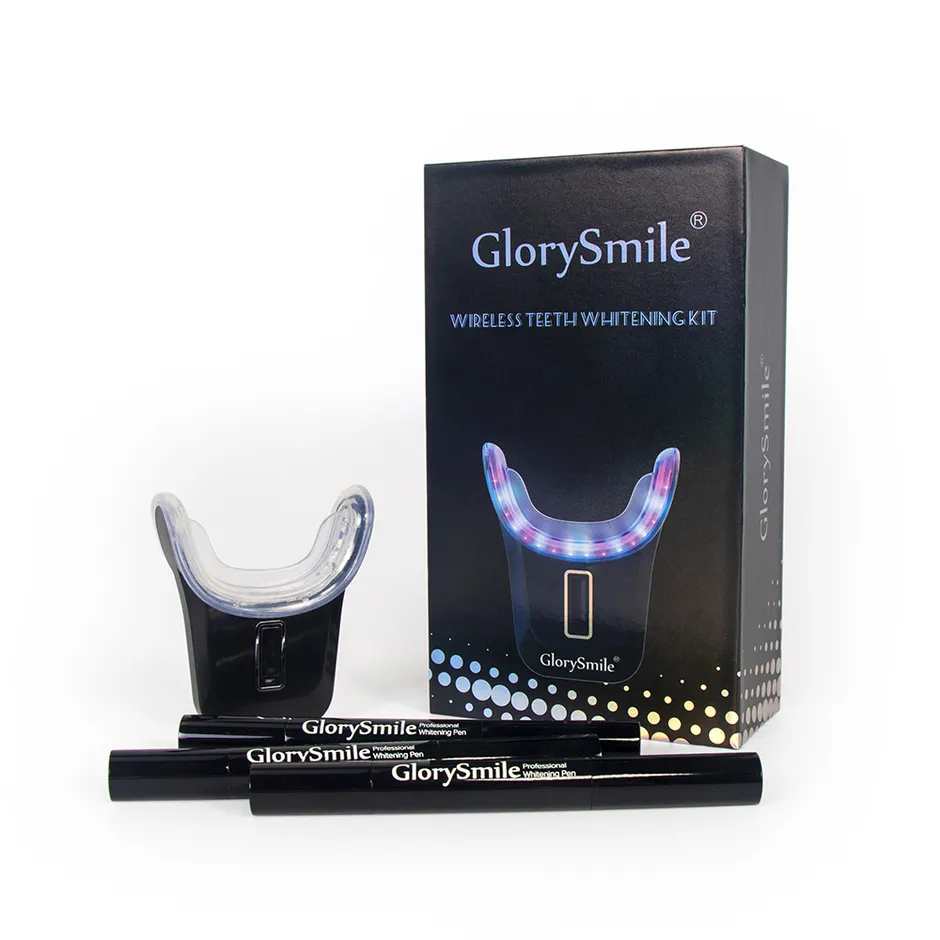
5 Tips for Wholesale Teeth Whitening Supplies
The teeth whitening industry is booming, and the demand for effective, affordable products is higher than ever. This presents a lucrative opportunity for entrepreneurs looking to enter the wholesale market. However, success in this field requires more than just sourcing products; it demands a strategic approach. This guide offers five essential tips to help you navigate the wholesale teeth whitening landscape, ensuring you not only source the best products but also build a thriving, compliant business. From finding reliable suppliers to understanding market regulations, these insights will empower you to make informed decisions and maximize your chances of success. Let’s dive into the essential strategies to get you started on the right foot. Remember, careful planning and execution are the cornerstones of a profitable wholesale venture.
Tip 1 Research & Source Suppliers
The foundation of any successful wholesale business is a reliable supplier network. Your reputation and profitability hinge on the quality, pricing, and consistency of the products you offer. Thorough research is the first step. Begin by exploring online directories, industry trade shows, and dental supply marketplaces. Evaluate multiple suppliers, comparing product offerings, minimum order quantities (MOQs), and shipping costs. Look for suppliers that offer a diverse range of teeth whitening products, from strips and gels to LED light systems and whitening toothpaste. A broad product selection allows you to cater to a wider customer base and increase your sales potential. Also, consider suppliers that offer private labeling options, which can help you build your brand identity and establish a unique market presence. Due diligence in this phase is crucial.
Finding Reliable Suppliers

Identifying reliable suppliers involves more than just finding the lowest prices. You need to assess their track record, customer reviews, and responsiveness. Check online reviews and testimonials to gauge their reputation for product quality and customer service. Request samples of their products to assess their effectiveness and the materials used. A reliable supplier should be transparent about their manufacturing processes, ingredient sourcing, and quality control measures. They should also have a clear return policy and be willing to address any issues promptly. Building a strong relationship with your suppliers is key to long-term success. Open communication and mutual respect will help you navigate challenges and ensure a steady supply of high-quality products. Consider visiting the supplier’s facilities, if possible, to get a firsthand look at their operations.
Checking Supplier Credentials
Verifying the credentials of potential suppliers is a critical step in mitigating risks. Ensure they are licensed and certified to manufacture and distribute teeth whitening products. This is particularly important if you plan to sell products that contain regulated ingredients like hydrogen peroxide. Request copies of their certifications, such as ISO certifications for quality management systems and GMP (Good Manufacturing Practice) certifications for manufacturing processes. Verify these certifications through the issuing bodies to confirm their validity. Also, investigate their compliance with relevant safety standards and regulations in the countries where they operate and where you intend to sell their products. If you are importing products, make sure the supplier is familiar with import regulations and can provide the necessary documentation for customs clearance. Checking credentials protects your business and ensures you are offering safe and effective products.
Tip 2 Quality Control & Product Selection
Offering high-quality teeth whitening products is paramount to your success. Customers expect effective and safe products, and any compromise on quality can damage your reputation and lead to returns or legal issues. The selection process should involve a rigorous evaluation of product efficacy, ingredient safety, and manufacturing standards. Start by testing the products yourself to assess their whitening capabilities and ease of use. This hands-on approach will allow you to provide informed recommendations to your customers. Consider the different types of teeth whitening products available, such as whitening strips, gels, pens, and light systems, and choose a selection that caters to various customer preferences and budgets. Also, look for products with clear instructions, proper packaging, and all necessary safety warnings. Prioritize products that are clinically proven to be effective and are manufactured by reputable companies.
Assessing Product Efficacy

Product efficacy is a crucial factor for your customers. The products you sell should deliver noticeable results without causing harm. Research the active ingredients used in the whitening products, such as hydrogen peroxide or carbamide peroxide, and understand their concentrations. Ensure the products are formulated to meet industry standards for effectiveness, and that they are tested and proven by the manufacturer. Many suppliers provide clinical studies or data to support their claims. Request this information and review it critically. Consider the potential whitening power of each product by comparing different products. Be mindful of product strengths; higher concentrations of whitening agents can provide faster results but may also increase the risk of tooth sensitivity. Clearly communicate the expected results to your customers, and provide them with realistic expectations. Offering a range of products with varying levels of efficacy can meet the needs of a broader customer base.
Understanding Ingredient Safety
Customer safety should be your top priority. Before offering any teeth whitening products, thoroughly review the ingredient lists and assess potential risks. Make sure that all ingredients are safe for oral use and are within the permissible limits set by regulatory bodies. Pay close attention to the potential for allergic reactions or sensitivity. Products containing high concentrations of hydrogen peroxide can cause temporary tooth sensitivity or gum irritation. Ensure that the products you sell include clear warnings about potential side effects and instructions for use. Offer products that are free from harmful additives, such as parabens or sulfates, and that adhere to relevant safety standards. Providing customers with information on product ingredients and their functions builds trust and reassures them of product safety. Always consult with a dental professional or a product safety expert if you have any concerns about the safety of specific ingredients or formulations.
Tip 3 Pricing Strategies & Profit Margins
Developing a sound pricing strategy is essential for profitability. Your pricing should cover your costs, generate a profit, and be competitive in the market. Begin by calculating all associated costs, including the cost of goods sold (COGS), shipping, marketing expenses, and any other operational costs. Determine your desired profit margin, which will depend on your business model, target market, and competitive landscape. Research the prices of similar products in the wholesale market to understand the average price range. A good pricing strategy often involves tiered pricing, offering discounts for bulk purchases, or creating bundled packages to increase sales volume. Consider offering different product options at various price points to cater to a broader customer base. Remember to account for potential fluctuations in the cost of materials, shipping, and currency exchange rates. Regularly review and adjust your pricing strategy to ensure it remains profitable and competitive.
Calculating Costs and Expenses

Accurate cost calculations are the foundation of profitable pricing. To determine your COGS, you need to include the cost of the products from your suppliers, plus any associated costs such as import duties, taxes, and transportation. Beyond COGS, you must factor in your overhead expenses, including rent, utilities, salaries, and any marketing or advertising costs. Consider the costs associated with storing and handling your products, such as warehouse fees, packaging materials, and labor. If you offer customer support, include the related costs. You also need to account for any potential returns, damaged products, or other losses. Use a spreadsheet or accounting software to track all your costs and expenses to ensure you have a clear understanding of your financial performance. Accurate cost calculations will enable you to set your prices with confidence and avoid underselling your products.
Setting Competitive Prices
Once you’ve calculated your costs, you can set your prices. Research the market to understand the prices of similar products from your competitors. Analyze their pricing strategies and consider how your offerings compare in terms of quality, features, and brand recognition. Your prices must be competitive to attract customers, but they should also ensure you make a profit. You may consider using a cost-plus pricing strategy, adding a markup percentage to your cost to determine your selling price. Alternatively, you could adopt a value-based pricing strategy, setting your prices based on the perceived value of your products to your customers. Consider offering introductory discounts or promotional offers to attract new customers. Monitor your sales data and customer feedback to evaluate the effectiveness of your pricing strategies. Be flexible and willing to adjust your prices as needed, based on market conditions and your business goals. Regular price monitoring will help you stay competitive and maintain profitability.
Tip 4 Marketing & Sales Strategies
Effective marketing and sales strategies are essential to reach your target audience and drive sales. Begin by defining your target market, understanding their needs, and identifying where they spend their time online. This will allow you to focus your marketing efforts and create targeted campaigns. Build a strong online presence by creating a professional website with detailed product descriptions, high-quality images, and customer testimonials. Optimize your website for search engines (SEO) to improve your visibility in search results. Utilize social media platforms, such as Instagram, Facebook, and TikTok, to engage with potential customers and promote your products. Consider running targeted advertising campaigns to reach specific demographics and interests. Offer special promotions, discounts, and bundles to incentivize purchases. Provide excellent customer service to build trust and encourage repeat business. Continuously analyze your marketing efforts to measure their effectiveness and make adjustments as needed. Consider partnering with dental professionals or influencers to expand your reach and build credibility.
Reaching Your Target Audience

Understanding your target audience is crucial for effective marketing. If you’re selling to dental practices, your marketing efforts should focus on professional channels. Target them through dental trade publications, industry events, and direct outreach. If you are selling to consumers, you might leverage social media marketing, influencer marketing, and search engine optimization. Use market research tools to gather insights into your target audience’s demographics, interests, and purchasing behavior. Tailor your marketing messages to address their specific needs and pain points. Use clear and concise language that resonates with your audience. Offer valuable content, such as blog posts or videos, to educate them about teeth whitening products and their benefits. Consider the different channels your target audience uses, such as social media, email, or search engines. Use multiple channels to maximize your reach. Continuously analyze your marketing data to understand which channels and strategies are most effective at reaching your target audience. Make data-driven decisions to refine your marketing approach.
Building a Strong Brand
Building a strong brand is vital for long-term success. Your brand represents your values, your products, and your commitment to your customers. Start by defining your brand identity, including your mission, values, and unique selling propositions. Create a consistent brand image across all your marketing materials, including your website, social media profiles, and product packaging. Invest in high-quality branding elements, such as a logo, color palette, and typography. Develop a strong brand voice that reflects your company’s personality. Offer excellent customer service to build trust and loyalty. Encourage customer reviews and testimonials to showcase your brand’s credibility. Be active on social media, engaging with your audience and building a community around your brand. Consider partnering with influencers or brand ambassadors to promote your products. Monitor your brand reputation and address any negative feedback promptly. Building a strong brand is a continuous process that requires effort, consistency, and a commitment to excellence.
Tip 5 Compliance and Regulations
Navigating the regulatory landscape is essential for operating a legal and sustainable wholesale teeth whitening business. The specific regulations you need to comply with will vary depending on the products you sell and the geographic markets you operate in. You must understand the regulations related to the ingredients used in your products, such as the allowable concentrations of hydrogen peroxide. Pay attention to labeling requirements, including the necessary warnings, instructions, and ingredient lists. Ensure that your products comply with all relevant safety standards. If you are selling your products across state or international borders, you must also comply with import and export regulations, as well as the labeling and packaging requirements of the destination markets. Failure to comply with these regulations can result in fines, product recalls, and legal action. It’s crucial to stay informed about the latest regulatory changes and seek legal counsel to ensure compliance.
Understanding FDA Guidelines

The U.S. Food and Drug Administration (FDA) regulates teeth whitening products and ingredients. It’s crucial to understand the FDA’s guidelines and ensure that your products meet all applicable requirements. The FDA classifies teeth whitening products as either cosmetics or over-the-counter (OTC) drugs, depending on their formulation and intended use. Products that primarily clean and whiten teeth are generally considered cosmetics, while those that make therapeutic claims may be classified as drugs. The FDA has specific regulations regarding ingredient safety, labeling, and manufacturing practices. If you sell products containing hydrogen peroxide, you must comply with FDA guidelines on the concentration limits and labeling requirements. The FDA may also inspect manufacturing facilities to ensure they are compliant with good manufacturing practices (GMP). Stay updated on the FDA’s latest guidelines and consult with legal counsel or regulatory experts to ensure your products are compliant.
Following Legal Requirements
In addition to FDA guidelines, your business must comply with all relevant local, state, and federal laws. This includes business registration, licensing, and tax regulations. You must also comply with advertising and marketing laws, which regulate the claims you can make about your products. Avoid making unsubstantiated health claims or misleading statements. Ensure that your marketing materials comply with the truth-in-advertising laws. Also, be aware of consumer protection laws, which protect consumers’ rights. Implement clear return policies and address customer complaints promptly. Protect your business from legal risks by consulting with a legal professional to ensure that you are compliant with all applicable laws and regulations. Seek legal advice about any aspect of your business operations. Legal compliance is critical for operating a legitimate and sustainable business.
In conclusion, the wholesale teeth whitening market offers significant opportunities for entrepreneurs. By following these five tips, you can position your business for success. From sourcing reliable suppliers and selecting high-quality products to developing effective marketing strategies and ensuring regulatory compliance, these steps provide a solid foundation for building a profitable and sustainable wholesale teeth whitening business. Remember to prioritize quality, customer satisfaction, and ethical business practices, and you’ll be well on your way to a thriving enterprise. Continuous learning, adaptation, and a commitment to excellence are vital for navigating the challenges and capitalizing on the opportunities in this dynamic market. With careful planning, strategic execution, and a focus on customer needs, your wholesale teeth whitening venture can flourish.